





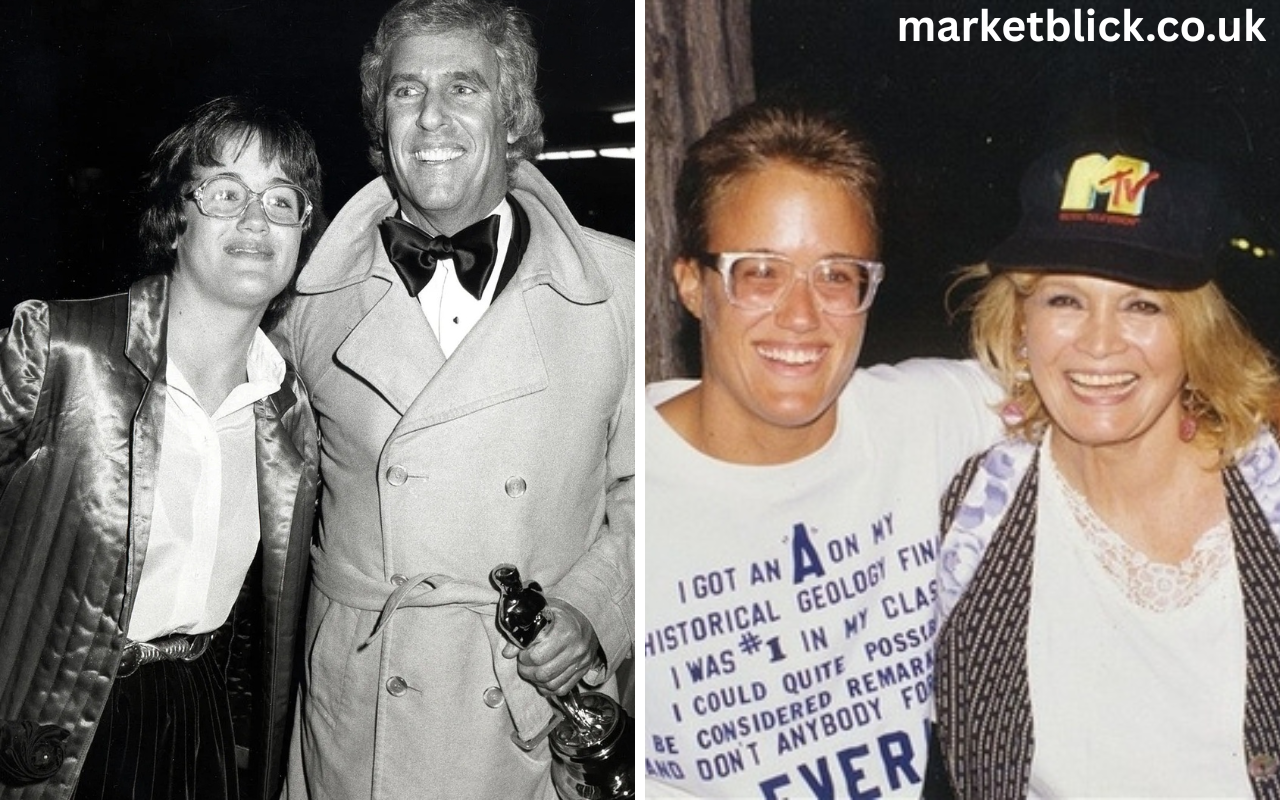
The Untold Story of Lea Nikki Bacharach: Life, Struggles, and Legacy
Lea Nikki Bacharach remains one of the most quietly discussed figures connected to Hollywood history, yet her life carries profound emotional depth and meaning. As the daughter of Burt Bacharach and Angie Dickinson, she was born into a world of fame, creativity, and public admiration. However, her life journey was far removed from the glamorous spotlight typically associated with celebrity families.
Her story is often searched online through terms like “Lea Nikki Bacharach biography,” “Nikki Bacharach autism,” and “Burt Bacharach daughter story,” reflecting a growing interest in understanding her life beyond headlines. People are drawn not just to her connection with famous parents, but to the deeply human challenges she faced throughout her life.
Understanding Lea Nikki Bacharach means looking beyond fame and recognizing the reality of living with neurological and emotional struggles. Her life offers insight into mental health, autism spectrum conditions, and the importance of compassion in a world that often overlooks invisible battles.
Early Life and Birth Circumstances
Lea Nikki Bacharach was born on July 12, 1966, during a time when medical knowledge about developmental disorders was still limited. Her birth was premature, and she spent the first months of her life in an incubator, separated from her parents. At that time, such medical practices were common, but they often came at the cost of early emotional bonding.
This lack of early physical connection is frequently discussed in psychological circles when analyzing her development. Infancy is a crucial period for emotional attachment, and prolonged separation may influence how a child responds to the world. Nikki’s early isolation is believed by some to have contributed to her later sensitivities and behavioral differences.
As she grew older, it became evident that she was not developing in the same way as other children. She exhibited delayed speech, difficulty with social interaction, and heightened sensitivity to sounds and environments. These early signs pointed to a neurological condition, though at the time, there was little awareness or understanding of autism spectrum disorders.
Growing Up in a Celebrity Household
Being raised in a household led by two highly successful public figures created a unique and complex environment for Nikki. Her father was a globally celebrated composer, while her mother was a prominent television and film actress. Despite their demanding careers, both parents cared deeply about their daughter’s well-being.
However, balancing fame with family life was not easy. The pressures of public attention, combined with Nikki’s need for a structured and calm environment, often created tension. Her parents made deliberate efforts to protect her from the spotlight, choosing privacy over publicity for her upbringing.
This protective approach meant that Nikki grew up largely shielded from media exposure. Unlike many celebrity children, she was not pushed into public appearances or entertainment careers. Instead, her life revolved around managing her personal challenges, away from the expectations of Hollywood society.
Understanding Her Neurological Condition
Lea Nikki Bacharach is widely believed to have lived with Asperger’s syndrome, a form of autism spectrum disorder. During her childhood, however, this condition was not commonly diagnosed or even fully understood. As a result, her behaviors were often misinterpreted rather than supported.
Asperger’s syndrome is characterized by difficulty in social communication, repetitive patterns of behavior, and intense focus on specific interests. Nikki displayed many of these traits, including emotional sensitivity and discomfort in unpredictable environments. These characteristics shaped her daily experiences and interactions.
The lack of early diagnosis meant that Nikki did not receive specialized support that might have helped her navigate life more comfortably. Today, increased awareness of autism allows for earlier intervention, but during her time, families often struggled without guidance. Her story highlights how critical understanding and resources can be for individuals with neurological differences.
Emotional Struggles and Mental Health Challenges
Living with an undiagnosed or misunderstood condition often leads to emotional distress, and Nikki’s life was no exception. She faced ongoing challenges that affected her mental well-being, including feelings of isolation and frustration. Her inability to fully connect with others made everyday life difficult.
Over time, these struggles deepened into more serious mental health issues. Depression became a significant part of her life, influenced by both her neurological condition and the pressures of her environment. Even with the support of her family, managing these challenges was incredibly difficult.
Mental health awareness was not as developed during Nikki’s lifetime as it is today. Many individuals faced similar struggles without access to proper treatment or understanding. Her story continues to resonate in discussions about the importance of recognizing and addressing mental health concerns early and compassionately.
Life Away from Fame and Public Attention
Unlike many children of celebrities, Nikki chose a life away from public attention. Her parents respected her need for privacy and avoided exposing her to unnecessary media scrutiny. This decision allowed her to live in a more controlled and comfortable environment.
She preferred routine, familiarity, and quiet surroundings over social gatherings or public events. This preference aligns with many individuals on the autism spectrum, who often find comfort in predictable environments. Her life was centered on maintaining stability rather than pursuing external recognition.
Because of this privacy, much of Nikki’s daily life remains unknown to the public. This has contributed to the sense of mystery surrounding her story, as people seek to understand the person behind the limited information available. Her life serves as a reminder that not all stories are meant to be lived in the spotlight.
The Tragic End of Her Life
Lea Nikki Bacharach’s life came to a heartbreaking end on January 4, 2007. At the age of 40, she died by suicide, leaving behind a story that deeply affected her family and those who later learned about her struggles. Her passing brought attention to the seriousness of mental health issues among individuals with autism.
Her family later shared that she had been dealing with long-term emotional pain and the challenges associated with her condition. Despite efforts to support her, the weight of her struggles became overwhelming. Her death was not only a personal tragedy but also a reflection of broader issues surrounding mental health care.
This moment in her story sparked conversations about the need for better support systems. It highlighted how even those with access to resources can struggle without the right understanding and treatment. Her passing remains a powerful reminder of the importance of empathy and intervention.
Impact on Her Family and Public Awareness
The loss of Nikki had a profound impact on her parents, especially Burt Bacharach, who later spoke about the deep grief he experienced. Losing a child is an unimaginable pain, and her death marked a significant emotional chapter in his life.
Beyond her family, Nikki’s story contributed to increased awareness about autism and mental health. It encouraged more open discussions about conditions that were once misunderstood or ignored. Her life helped bring attention to the challenges faced by individuals living with neurological differences.
Public awareness has grown significantly since her passing. Today, conversations around autism spectrum disorder and mental health are more open and informed. Nikki’s story continues to play a role in shaping these discussions, reminding people of the importance of understanding and support.
Lessons from Her Life and Experiences
Lea Nikki Bacharach’s life offers meaningful lessons about compassion, awareness, and the complexities of human experience. Her story shows that struggles are not always visible and that even those in privileged environments can face deep challenges.
Her experiences highlight the importance of early diagnosis and proper support for individuals with autism. Access to the right resources can significantly improve quality of life and help individuals navigate their challenges more effectively. Her story encourages continued progress in this area.
Perhaps the most important lesson from her life is the need for empathy. Understanding others without judgment and recognizing their unique experiences can make a significant difference. Nikki’s story reminds us to approach every individual with kindness and respect.
Read More: The Life and Legacy of Stephanie Cozart Burton: Hollywood’s Unsung Makeup Artist
Remembering Lea Nikki Bacharach’s Legacy
Lea Nikki Bacharach’s legacy is not defined by fame but by the awareness her story brings. She represents countless individuals who live with neurological and mental health challenges, often without recognition or understanding. Her life continues to inspire conversations that matter.
Remembering her means acknowledging both her struggles and her humanity. She was more than a name connected to celebrities; she was a person with her own experiences, emotions, and challenges. Her story encourages deeper reflection on how society supports those in need.
In the end, Nikki’s life leaves behind an important message. It calls for greater awareness, better mental health care, and a more compassionate world. Her story continues to resonate, ensuring that her experiences are not forgotten but instead serve as a source of understanding and change.