





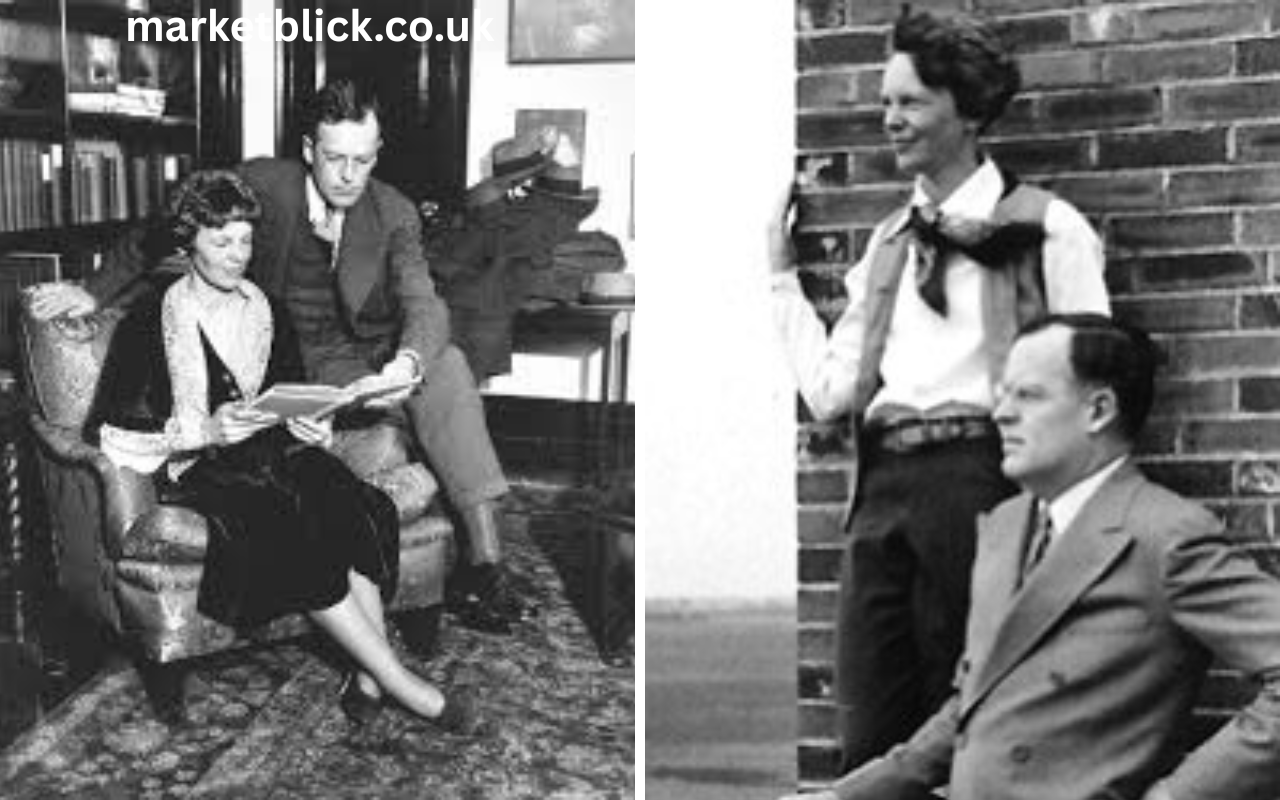
George P. Putnam: The Visionary Publisher Behind Aviation History and Modern Publicity
George P. Putnam was born on September 7, 1887, in Rye, New York, into a family that had already built a strong reputation in the American publishing world. His grandfather founded the well-known publishing house G. P. Putnam’s Sons, which played a significant role in shaping American literature. Growing up in such an intellectually rich environment exposed him to books, authors, and creative discussions from an early age, which naturally influenced his interests and ambitions.
His father, John Bishop Putnam, continued the family legacy, ensuring that George was surrounded by the business of publishing and storytelling. This environment nurtured his curiosity and gave him early insight into how books were created, marketed, and distributed. Unlike many children of his time, George had access to a network of writers and thinkers, which helped him develop a broad worldview.
He pursued his education at prestigious institutions such as Harvard University and the University of California, Berkeley. Although he did not strictly follow a traditional academic path, his experiences at these institutions helped him refine his communication skills and intellectual approach. These early years laid the foundation for his future success as a publisher, promoter, and cultural influencer.
Early Career and Entry into Publishing
George P. Putnam did not immediately step into the family business but instead explored journalism and local leadership roles. He moved to Bend, Oregon, where he became the editor of a local newspaper. This experience was crucial in shaping his understanding of media, audience engagement, and the power of storytelling in everyday life.
During his time in Bend, he also served as the mayor, which gave him valuable leadership experience and a deeper understanding of public communication. This role allowed him to connect with people on a grassroots level and sharpen his ability to influence public opinion. It was here that he began to recognize the importance of combining information with compelling narratives.
After gaining practical experience, Putnam returned to New York and joined the family publishing business. His entry into G. P. Putnam’s Sons marked the beginning of a new phase in his career. He quickly adapted to the evolving publishing landscape and started introducing fresh ideas that would later redefine promotional strategies in the industry.
Rise as a Leading Publisher and Innovator
As George P. Putnam settled into his role in the publishing industry, he began to distinguish himself through his innovative thinking. He understood that publishing was not just about printing books but also about creating a connection between the author and the audience. This perspective set him apart from many of his contemporaries.
He introduced modern marketing techniques that focused on building excitement around books and their authors. His approach included strategic media appearances, engaging storytelling, and public events designed to capture attention. These methods were ahead of their time and contributed to the evolution of book marketing as we know it today.
Putnam’s ability to identify talent and promote it effectively helped him establish a strong reputation in the industry. He was not just a publisher but also a visionary who recognized the importance of branding and public image. His work laid the groundwork for future publishing practices that emphasize both content quality and audience engagement.
Expertise in Publicity and Media Promotion
George P. Putnam became widely known for his exceptional skills in publicity and promotion. He had a unique ability to turn ordinary events into major public spectacles, capturing the attention of both the media and the public. This talent made him one of the most sought-after promoters of his time.
He believed that storytelling was the key to successful promotion. By crafting compelling narratives around individuals and events, he was able to generate widespread interest and excitement. His campaigns often combined print media, radio, and public appearances to create a powerful and cohesive message.
One of his most notable contributions to modern marketing was his understanding of personal branding. He recognized that people could become symbols of larger ideas, and he used this insight to build lasting public images. His techniques continue to influence modern advertising, public relations, and media strategies.
Partnership with Amelia Earhart
George P. Putnam’s life took a significant turn when he met Amelia Earhart, the pioneering aviator who would become one of the most famous figures in aviation history. Their relationship began as a professional collaboration when Putnam was tasked with promoting her transatlantic flight in 1928. He immediately recognized her potential to inspire and captivate audiences.
Their professional partnership soon developed into a personal relationship, leading to their marriage in 1931. Their union was unconventional for its time, as Earhart insisted on maintaining her independence and career. Putnam respected her wishes and supported her ambitions, creating a partnership based on mutual respect and shared goals.
Together, they formed a powerful team that combined Earhart’s courage and achievements with Putnam’s promotional expertise. Their collaboration not only elevated Earhart’s status but also redefined how public figures were presented to the world. Their relationship remains one of the most fascinating aspects of early aviation history.
Role in Building Amelia Earhart’s Global Image
George P. Putnam played a crucial role in shaping Amelia Earhart’s public image and career. He carefully crafted her persona as a fearless and determined aviator, making her a symbol of progress and empowerment. His efforts ensured that her achievements received widespread recognition and admiration.
He organized lecture tours, media interviews, and book deals that kept Earhart in the public eye. By maintaining a consistent narrative around her accomplishments, he helped build a strong and lasting connection with audiences. His strategies turned her into not just a pilot but also a cultural icon.
Putnam’s work demonstrated the power of strategic promotion in shaping public perception. His ability to combine storytelling with media exposure created a lasting legacy for Earhart. Even today, her image as a trailblazer in aviation owes much to Putnam’s vision and dedication.
Exploration, Adventures, and Writing Career
Beyond publishing and promotion, George P. Putnam was also an explorer and adventurer. He participated in expeditions to remote regions, including the Arctic, where he contributed to scientific exploration and research. These experiences reflected his curiosity and desire to push boundaries.
His adventures provided inspiration for his writing, which included travel narratives and autobiographical works. Through his books, he shared his experiences and insights with a wider audience, showcasing his ability to blend storytelling with factual information. His writing added another dimension to his multifaceted career.
Putnam’s contributions to exploration and literature highlight his diverse interests and talents. He was not limited to one field but instead explored multiple avenues of creativity and discovery. This versatility made him a unique figure in American history.
Personal Life and Challenges
George P. Putnam’s personal life was marked by both achievements and challenges. Before marrying Amelia Earhart, he was married to Dorothy Binney, with whom he had children. Their relationship eventually ended in divorce, reflecting the complexities of balancing personal and professional commitments.
His marriage to Earhart brought both joy and public attention, but it also came with its own set of challenges. The pressures of maintaining a high-profile relationship and managing her demanding career required constant effort and understanding. Despite these challenges, their partnership remained strong.
Later in life, Putnam remarried and continued to pursue various ventures. His personal journey was shaped by both success and adversity, making his story relatable and human. These experiences added depth to his character and influenced his professional decisions.
Later Years and Continued Contributions
In his later years, George P. Putnam remained active and engaged in various pursuits. During World War II, he served in the military, contributing to intelligence efforts. This period of service demonstrated his commitment to his country and his willingness to take on new challenges.
After the war, he managed a resort in Death Valley, showcasing his entrepreneurial spirit. Even in his later years, he continued to explore new opportunities and adapt to changing circumstances. His ability to reinvent himself was a testament to his resilience and creativity.
Putnam’s later life reflects his enduring passion for innovation and exploration. He never settled into a single role but instead continued to evolve and contribute in meaningful ways. This adaptability remains one of his defining characteristics.
Read More: Fathia Youssouf: The Inspiring Journey of a Rising French Actress
Legacy and Lasting Impact on Publishing and Media
George P. Putnam’s legacy extends far beyond his lifetime. He is remembered as a pioneer in publishing, publicity, and media promotion. His innovative approaches transformed how books and public figures were marketed, influencing industries that continue to evolve today.
His work with Amelia Earhart remains one of his most significant contributions, demonstrating the power of collaboration and strategic vision. By combining storytelling with promotion, he helped create one of the most enduring legacies in aviation history. His influence can still be seen in modern branding and media practices.
Ultimately, George P. Putnam’s life serves as an example of creativity, determination, and forward-thinking. His contributions to publishing, exploration, and publicity have left a lasting mark on history. He is not only remembered as a promoter but also as a visionary who understood the power of ideas and storytelling.