



The Life and Work of Addison O’Dea: A Visionary Filmmaker and Explorer
Addison O’Dea is a renowned American filmmaker and explorer whose work has garnered significant attention for its authenticity and cultural insight. He is known for his unique ability to document remote and often inaccessible communities, bringing their stories to global audiences through film. His films and documentaries are not just about capturing images but about telling the nuanced, complex stories of human life, belief systems, and survival. Through his work, O’Dea has become a key figure in contemporary documentary filmmaking, blending anthropology with cinematic artistry.
Born in New York City on June 15, 1979, O’Dea’s interest in exploring the world and documenting its stories began at an early age. Raised in an intellectually stimulating environment, he developed a deep curiosity about different cultures and the people who inhabit them. His academic journey through New York University, where he earned a Bachelor of Science degree, gave him the necessary academic grounding to pair with his artistic and exploratory pursuits. This combination of education and curiosity paved the way for his eventual career as a filmmaker focused on human-centered stories.
What sets O’Dea apart from many other filmmakers is his dedication to immersing himself in the cultures he documents. Unlike many travel filmmakers who skim the surface of the places they visit, O’Dea takes the time to understand the people he films. His work goes beyond the superficial exploration of exotic locations, instead diving deep into the rich cultural traditions, rituals, and lives of those he meets. This commitment to authenticity has made him a respected figure in the world of documentary filmmaking, especially for those interested in cultural anthropology and immersive storytelling.
The Making of a Filmmaker
Addison O’Dea’s journey into filmmaking was a natural progression from his childhood experiences, marked by a deep fascination with people and cultures. Early on, he found himself drawn to the idea of using film as a tool to bridge gaps between different worlds, telling stories that would otherwise remain untold. After completing his degree at New York University, he started working as a freelance writer and editor for National Geographic Traveler. His early assignments involved exploring the cultural diversity of various regions, which eventually led him to start working as a director and producer for documentary films.
One of the pivotal moments in O’Dea’s career came when he began to focus on film as an immersive experience. He recognized that traditional filmmaking often missed the emotional depth of human stories. To address this, he adopted a more anthropological approach to his films, spending extended periods of time with the communities he documented. His work sought to explore not just the external events and landscapes but also the internal emotional journeys of the people he filmed. This approach allowed him to create more intimate, powerful films that resonate deeply with audiences.
O’Dea’s ability to blend filmmaking with anthropology has set him apart in an industry often focused on spectacle rather than substance. His documentaries do not just show what a place looks like; they show what it feels like to be there, offering viewers an emotional connection with the people and places he documents. By living among the people he films and understanding their daily lives, O’Dea has been able to capture stories that are not only visually captivating but deeply meaningful. This focus on authenticity has made his work particularly impactful, allowing him to reach a wide audience while maintaining the integrity of the cultures he portrays.
Discovery TRVLR: A Revolutionary Virtual Reality Project
One of Addison O’Dea’s most groundbreaking projects was the Discovery TRVLR series, which combined his filmmaking expertise with the emerging field of virtual reality. The project was created in collaboration with Discovery, Inc., and Google, and aimed to bring immersive travel experiences to audiences around the world. Unlike traditional documentaries that are confined to the screen, Discovery TRVLR was designed to place viewers in the center of the story, allowing them to experience the world as if they were physically there. This series marked a significant step forward in how travel and culture content could be experienced.
The Discovery TRVLR series explored diverse cultures and communities across the globe, from remote villages in Africa to bustling cities in Asia. What made the series particularly innovative was its use of virtual reality technology, which allowed viewers to step into the shoes of the people being filmed. This immersive experience was not just about seeing new places but about feeling the atmosphere, experiencing the emotions, and connecting with the people in a way that traditional film simply couldn’t achieve. The series was a game-changer for both the travel and documentary industries, setting a new standard for immersive storytelling.
Throughout Discovery TRVLR, O’Dea’s focus was on authenticity and human connection. Rather than relying on traditional narration or overproduced visuals, the series allowed the people and their stories to take center stage. By using virtual reality, O’Dea was able to create a more intimate and personal experience for the viewer, something that would have been impossible with standard filming techniques. This project not only pushed the boundaries of technology but also demonstrated O’Dea’s ongoing commitment to telling stories that highlight the richness of human experience.
The Global Impact of O’Dea’s Work
Addison O’Dea’s films have had a far-reaching impact, influencing not only the documentary film industry but also the way audiences interact with and understand the world. His work has been featured on major platforms such as National Geographic, Discovery, and Google VR, allowing it to reach a broad audience. Through his documentaries, O’Dea has provided a platform for marginalized voices and cultures, bringing attention to stories that often go unnoticed in mainstream media. His focus on authenticity and cultural respect has set a new standard for filmmakers who wish to tell stories that are both entertaining and meaningful.
In addition to his work as a filmmaker, O’Dea has contributed to the development of new media formats. As virtual reality technology becomes more integrated into storytelling, his contributions to Discovery TRVLR are seen as a major step forward in how immersive content can be used to engage audiences. His work with cutting-edge technologies not only pushes the boundaries of documentary filmmaking but also sets the stage for future filmmakers who wish to explore new ways of storytelling. Through these efforts, O’Dea has helped redefine what it means to document a culture, using technology to bridge distances and bring people closer together.
Moreover, O’Dea’s films have been instrumental in raising awareness about global issues, such as the preservation of indigenous cultures and the effects of globalization. His documentaries often focus on communities that are at risk of losing their cultural heritage, whether due to external pressures or internal struggles. By documenting these communities and their traditions, O’Dea ensures that their stories are preserved for future generations. This work not only informs but also inspires action, encouraging viewers to reflect on their own relationship with culture, history, and the world around them.
Cultural Sensitivity in O’Dea’s Filmmaking
A cornerstone of Addison O’Dea’s filmmaking philosophy is his unwavering commitment to cultural sensitivity. Throughout his career, he has emphasized the importance of respecting the cultures he films and ensuring that their stories are told accurately and with integrity. O’Dea’s approach to filmmaking is not just about capturing footage but about building relationships with the people he documents. He takes the time to understand their perspectives, ensuring that his films reflect their voices and experiences, rather than imposing external viewpoints.
This cultural sensitivity has earned O’Dea respect in the filmmaking community, particularly among anthropologists and other scholars of culture. By prioritizing accuracy and ethical storytelling, O’Dea has set a standard for how filmmakers can work with communities in a way that is both respectful and authentic. His films do not seek to exploit the subjects they depict but rather to celebrate and preserve their cultures, providing a platform for voices that are often marginalized in mainstream media.
O’Dea’s careful attention to cultural context also means that he works closely with local communities to ensure that his films do not misrepresent their beliefs or traditions. This collaborative approach has allowed him to create documentaries that not only inform but also empower the people he films. In an industry where cultural appropriation and misrepresentation are ongoing concerns, O’Dea’s work stands as an example of how filmmakers can engage with cultures in a way that is both responsible and respectful.
Beyond Filmmaking: O’Dea’s Personal Life and Public Image
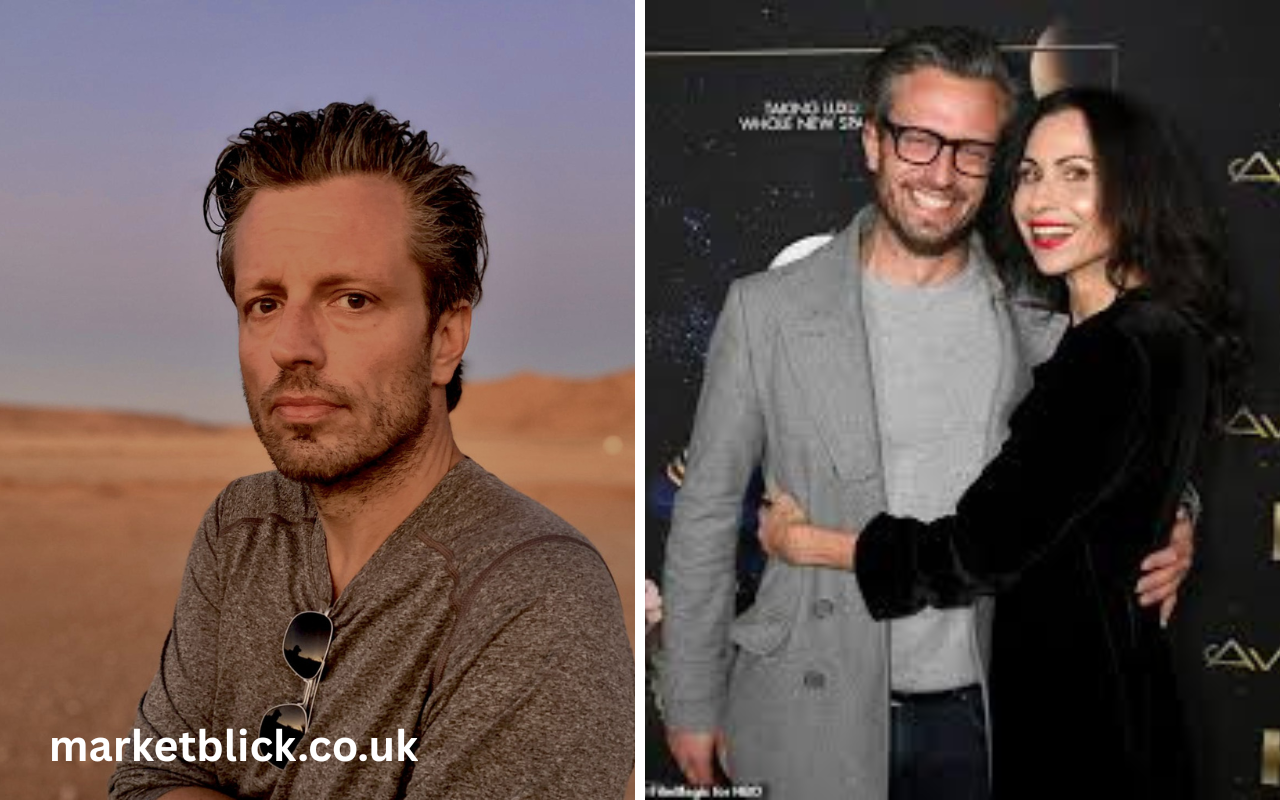
In addition to his professional accomplishments, Addison O’Dea’s personal life has also garnered public interest, particularly his relationship with actress Minnie Driver. The two have been together for several years, and their partnership has been characterized by mutual respect and admiration. Their relationship is often highlighted in the media, with both O’Dea and Driver expressing their support for one another’s professional endeavors. This personal connection has humanized O’Dea’s public image, allowing his audience to see him not just as a filmmaker but as a person with real relationships and experiences.
O’Dea’s personal life also plays a role in his public persona. Known for his down‑to‑earth nature and humility, he has cultivated an image as someone who values authenticity both in his work and in his personal life. His approach to fame is understated; he prefers to keep the focus on his films and the stories he tells, rather than on himself as a celebrity. This humility has endeared him to fans and colleagues alike, further reinforcing the respect he commands within the filmmaking industry.
Despite his growing public recognition, O’Dea remains focused on his work and the mission behind his filmmaking. He continues to push the boundaries of what is possible in documentary filmmaking, whether through immersive virtual reality projects or traditional documentaries. His ability to maintain a grounded and authentic presence in both his personal and professional life has contributed to his success and enduring relevance in the industry.
Read more: The Life and Legacy of Stephanie Cozart Burton: Hollywood’s Unsung Makeup Artist
O’Dea’s Legacy in Documentary and Storytelling
Addison O’Dea’s legacy in the world of documentary filmmaking is already firmly established. His innovative use of technology, his commitment to cultural authenticity, and his ability to tell compelling human stories have set him apart as one of the leading filmmakers of his generation. O’Dea has proven that documentary filmmaking is not just about documenting reality but about shaping it, offering new ways to connect with audiences and explore the world. His work continues to inspire a new generation of filmmakers who seek to blend art, technology, and cultural exploration in meaningful ways.
Looking forward, O’Dea’s legacy is set to grow even stronger as he continues to push the boundaries of immersive storytelling. Whether through virtual reality, traditional film, or new media platforms, O’Dea’s work is likely to continue influencing the future of documentary filmmaking. His ability to capture the human experience in all its complexity, from ancient rituals to modern struggles, will ensure that his contributions to the field are remembered for years to come.
As technology evolves and the demand for authentic, immersive storytelling grows, Addison O’Dea remains at the forefront of this revolution. His films are more than just entertainment; they are windows into the lives of people from all corners of the world. Through his work, O’Dea has shown that storytelling is not just about telling a story—it’s about connecting, understanding, and changing the way we view the world.