





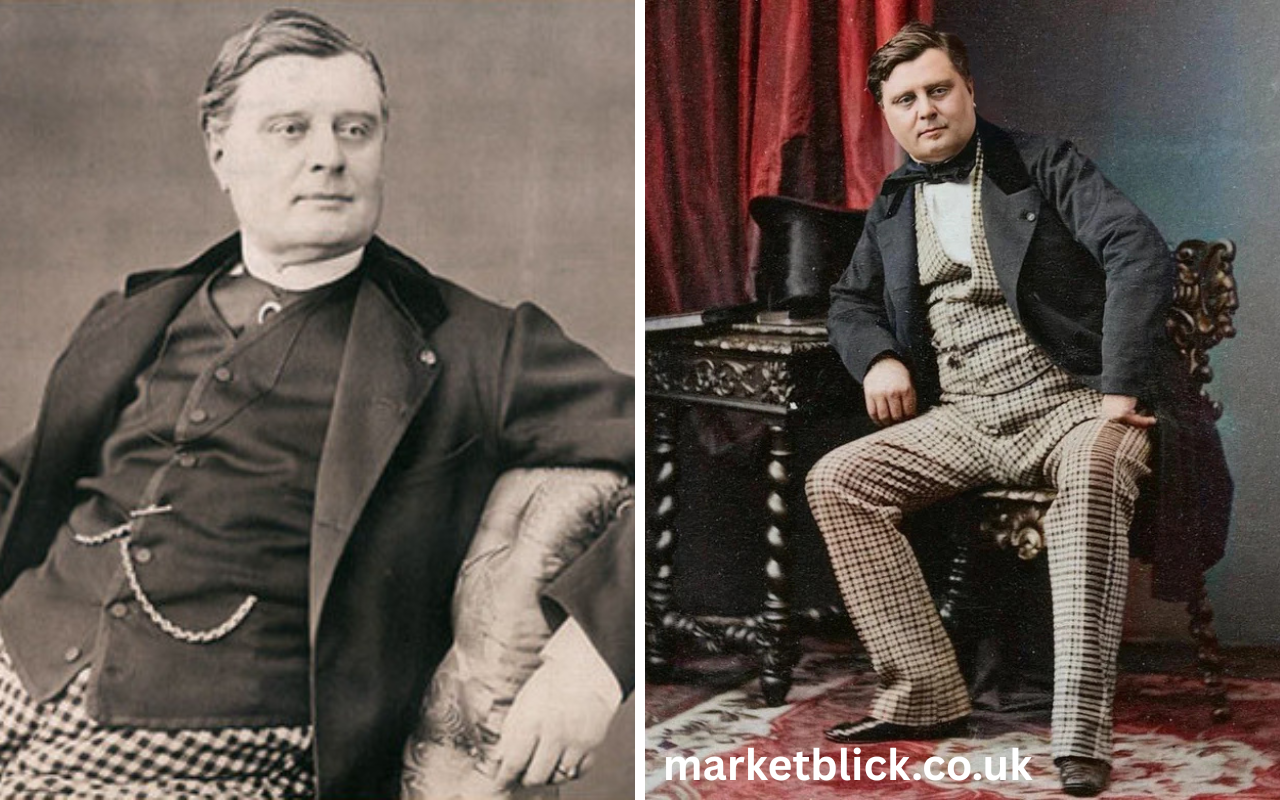
Alexandre Colonna-Walewski – Life, Political Career, and Legacy of Napoleon I’s Son in European Diplomacy
Alexandre Colonna-Walewski was born on 4 May 1810 in Walewice, a small estate near Warsaw, during a politically turbulent period in European history. He was the son of Napoleon I and Polish noblewoman Maria Walewska, a relationship that symbolized both romance and political alliance between France and Poland. Although born into nobility, his early life was shaped by uncertainty due to his unofficial recognition within the Bonaparte imperial family.
Despite his biological connection to Napoleon, Alexandre was legally acknowledged by Count Walewski, his mother’s husband. This arrangement allowed him to grow up in a stable aristocratic environment while still being surrounded by the shadow of Napoleonic legacy. His upbringing exposed him to both French and Polish cultural influences, giving him a unique identity that later helped him in European diplomacy.
His childhood was marked by movement across Europe after Napoleon’s fall, which affected many families associated with the empire. These early experiences introduced him to exile politics, aristocratic society, and shifting European alliances, all of which would later play a major role in shaping his diplomatic mindset and career direction.
Education and Formative Years of Alexandre Colonna-Walewski
Alexandre Colonna-Walewski received a privileged aristocratic education that focused on languages, political theory, military studies, and diplomacy. His tutors ensured that he was well-versed in French intellectual traditions as well as European political history. This education prepared him for potential roles in both military and administrative service.
During his formative years, he developed strong linguistic and analytical skills, which later became essential in his diplomatic career. Exposure to multiple European cultures helped him understand international relations from a young age. He also studied in environments influenced by both Polish nationalism and French imperial thought.
As he matured, Walewski began to form his own political identity separate from his mother’s influence and Napoleon’s legacy. His education not only provided academic knowledge but also shaped his understanding of power, governance, and diplomacy in a rapidly changing Europe.
Identity and Napoleonic Heritage of Alexandre Colonna-Walewski
The identity of Alexandre Colonna-Walewski was deeply tied to his connection with Napoleon I, even though this relationship was never fully formalized in legal terms. Growing up, he was often seen as the symbolic continuation of the Napoleonic legacy, which influenced how European elites perceived him.
His mixed identity as both Polish noble heritage and French imperial lineage placed him in a unique position within European aristocracy. This dual background gave him diplomatic advantages, allowing him to navigate complex political environments with cultural flexibility and strategic understanding.
Throughout his life, Walewski struggled with the expectations associated with being Napoleon’s son. While he never directly claimed political inheritance, the shadow of the empire followed him, shaping both his opportunities and challenges in French political life.
Early Military and First Public Service of Alexandre Colonna-Walewski
In his early adulthood, Alexandre Colonna-Walewski entered French military service, which was a common path for noblemen of his time. He served briefly in campaigns in Algeria, where France was expanding its colonial presence. This experience gave him practical exposure to military organization and colonial administration.
Although his military career was not long, it played an important role in building his discipline and understanding of French state interests abroad. His service also helped him gain recognition within political and military circles in France, opening doors for future diplomatic appointments.
After his military involvement, Walewski gradually transitioned toward journalism and administrative work. His writing on political affairs demonstrated intellectual depth and helped him establish himself as a thoughtful observer of European politics rather than just a military figure.
Rise in French Diplomacy of Alexandre Colonna-Walewski
Alexandre Colonna-Walewski’s diplomatic career began to rise during the July Monarchy when he was formally integrated into French diplomatic service. He was appointed to several international missions, including postings in Florence, Naples, Madrid, and London, where he represented French interests.
His diplomatic style was characterized by balance, patience, and negotiation rather than confrontation. He became known for his ability to manage sensitive political discussions between rival European powers, which strengthened France’s international standing during a volatile period.
With the rise of Napoleon III, Walewski’s career advanced significantly. His imperial connection and diplomatic experience made him one of the most trusted representatives of French foreign policy, allowing him to influence key international decisions.
Role as Minister of Foreign Affairs of Alexandre Colonna-Walewski
In 1855, Alexandre Colonna-Walewski was appointed Minister of Foreign Affairs under Napoleon III, marking the peak of his political career. This position placed him at the center of French diplomacy during a critical period of European tension and transformation.
As Foreign Minister, he worked to strengthen France’s alliances while managing conflicts involving major European powers. His leadership style focused on negotiation and strategic diplomacy, helping France maintain a strong position in international affairs.
Walewski’s tenure as Foreign Minister is remembered for its diplomatic stability and his ability to represent French interests effectively on the global stage. His work contributed significantly to shaping France’s foreign policy during the Second Empire.
Congress of Paris and Crimean War Diplomacy of Alexandre Colonna-Walewski
One of Alexandre Colonna-Walewski’s most important achievements was his role in the Congress of Paris in 1856, which officially ended the Crimean War. He presided over negotiations that involved major powers such as Britain, Russia, the Ottoman Empire, and France.
The Congress of Paris established new diplomatic frameworks and contributed to early international maritime law. Walewski played a central role in ensuring peace agreements were structured and accepted by all participating nations, demonstrating his diplomatic expertise.
This event significantly enhanced his reputation across Europe. His leadership during the peace negotiations showed his ability to manage complex international conflicts and contributed to long-term stability in European politics.
Later Career and Political Influence of Alexandre Colonna-Walewski
After his tenure as Foreign Minister, Alexandre Colonna-Walewski continued to serve in various political and administrative roles within the French government. His experience made him a respected advisor on matters of foreign policy and governance.
He also became involved in cultural and institutional affairs, contributing to the development of French public administration and state organizations. His influence extended beyond diplomacy into broader political and cultural spheres.
Even in his later years, Walewski remained an important figure in political discussions within the Second French Empire. His experience and insight into European affairs ensured that he remained a respected statesman until his final years.
Read More: Natasha Duffy Biography, Identity Overview, and Online Presence Analysis
Personal Life, Death, and Legacy of Alexandre Colonna-Walewski
Alexandre Colonna-Walewski married twice and maintained strong connections with European aristocracy through his family life. His marriages linked him to British and Italian noble families, further strengthening his international social network.
Despite his political success, his personal life was marked by both privilege and tragedy, including the loss of several children. His family lineage continued through his descendants, who remained part of European noble society.
He died on 27 September 1868 in Strasbourg, leaving behind a legacy as one of the most influential diplomats of the 19th century. Today, he is remembered as a key figure in European diplomacy and as a symbolic link between the Napoleonic era and modern international relations.