





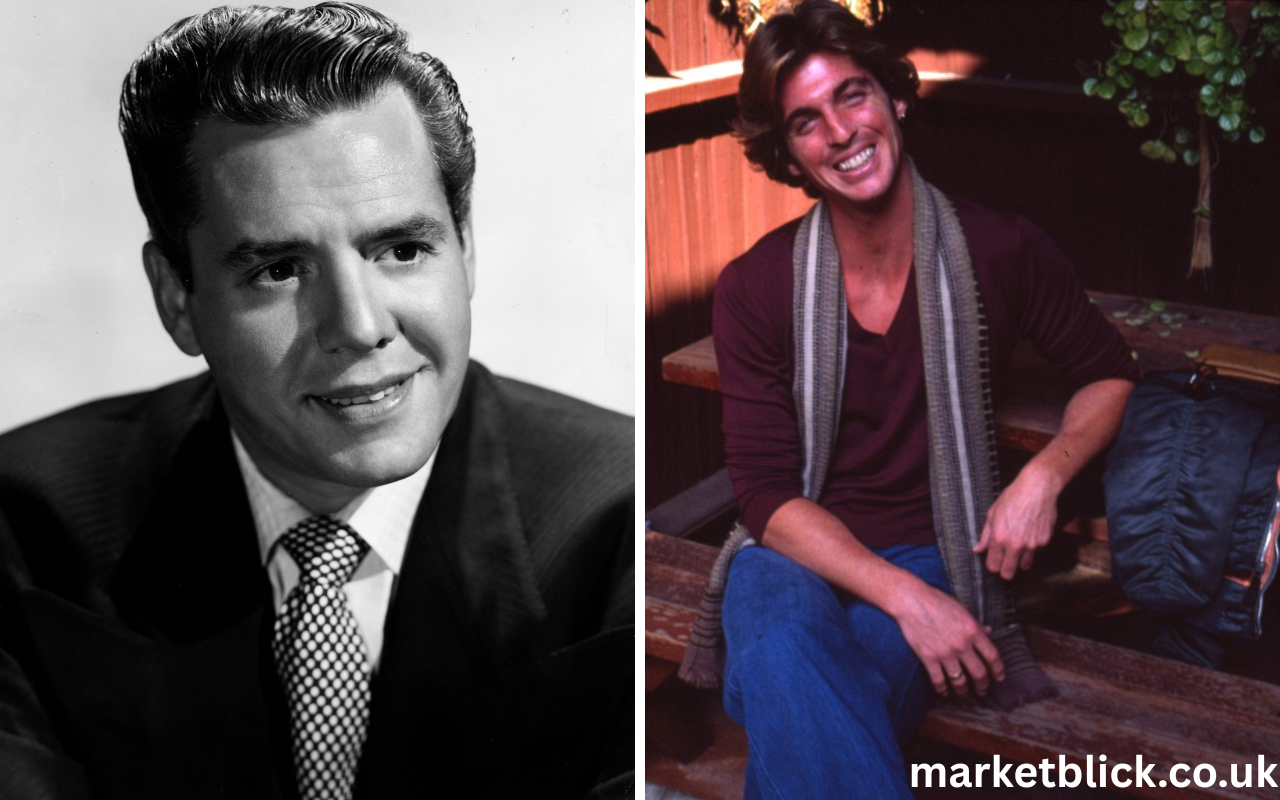
Ricci Martin Biography: Life, Music Career, Family Legacy of Dean Martin’s Son
Ricci Martin was born on September 20, 1953, in Beverly Hills, California, into one of the most recognized entertainment families in American history. His father was the legendary singer and actor Dean Martin, a central figure of the Rat Pack era, while his mother, Jeanne Biegger, played an important role in maintaining stability within a large blended family. Growing up in such an environment meant Ricci was surrounded by fame, music, and Hollywood culture from the very beginning.
As one of eight children, Ricci experienced a dynamic household filled with creativity and public attention. Despite the fame surrounding his father, the family often tried to maintain a sense of normal life at home. This balance between celebrity status and private upbringing gave Ricci a grounded perspective, even while being part of one of the most influential entertainment families of the time.
His early exposure to the entertainment world naturally influenced his interests. Music, television, and performance were constant elements in his surroundings. While he did not immediately step into fame like his father, the environment played a crucial role in shaping his artistic instincts and later career decisions.
Growing Up as Dean Martin’s Son
Being the son of Dean Martin came with both privilege and pressure. Dean Martin was not only a world-famous singer but also a Hollywood film star and a key member of the Rat Pack alongside Frank Sinatra and others. Ricci grew up witnessing his father’s success firsthand, which made the entertainment industry feel familiar yet challenging.
Despite Dean Martin’s busy schedule, Ricci maintained a personal relationship with him. Their bond was affectionate, though often influenced by the demands of fame. Ricci later reflected on how his father’s relaxed, charming personality at home contrasted with his polished public image, giving him a deeper understanding of celebrity life.
However, living in the shadow of such a legendary figure was not always easy. Ricci had to navigate expectations while trying to form his own identity. This experience later influenced his decision to pursue music in his own style rather than directly replicating his father’s crooner legacy.
Education and Early Interests
Ricci Martin’s education took place in California, where he was exposed to both traditional schooling and a highly artistic social environment. Growing up in Beverly Hills meant interacting with children of other entertainers, which reinforced his connection to the entertainment world from a young age.
During his teenage years, Ricci began showing a stronger interest in music. He was particularly drawn to rock and pop sounds that were emerging in the 1960s and 1970s. While his father represented classic traditional pop and swing, Ricci leaned toward more modern musical expressions.
This difference in musical taste became an important factor in shaping his artistic direction. He began experimenting with instruments and performance styles, slowly building confidence in pursuing music as more than just a family influence but as a personal passion.
First Steps into Music Career
Ricci Martin officially entered the music world in the 1970s when he began working on his own musical projects. One of his earliest known works was the album Beached, released in 1977, which marked his formal introduction as a recording artist. This project reflected his desire to create a sound that was distinct from his father’s legacy.
The album Beached was notable for its collaboration with Carl Wilson of The Beach Boys, which helped bring a recognizable musical influence into Ricci’s work. This partnership gave him credibility in the industry and allowed him to explore softer rock and California-style harmonies.
Although the album did not achieve major commercial success, it established Ricci as an independent musician. It also showed his willingness to step outside the expectations attached to his last name and build a creative identity rooted in his own artistic interests.
Musical Collaborations and Band Work
Following his early recording efforts, Ricci Martin continued to collaborate with various musicians throughout his career. He became associated with projects linked to the legacy of Dino, Desi & Billy, a teenage pop group connected to his brother Dean Paul Martin. These collaborations kept him connected to the evolving music scene.
Ricci also performed with live bands and participated in musical tours that highlighted classic rock and pop influences. His performances often blended nostalgia with contemporary styles, appealing to audiences who appreciated both traditional and modern music elements.
Over time, live performance became a central part of his career. While he did not focus heavily on studio albums, he built a reputation as a reliable and engaging stage performer who could connect with audiences through storytelling and music.
Tribute to Dean Martin and Live Performances
One of the most defining aspects of Ricci Martin’s career was his dedication to honoring his father’s legacy. He created a tribute show titled His Son Remembers: Dean Martin’s Music and More, which combined live musical performances with personal stories about Dean Martin’s life and career.
These tribute shows allowed Ricci to share intimate memories of growing up with his father while celebrating Dean Martin’s contributions to music and film. Audiences were drawn not only to the music but also to the emotional depth and authenticity of his storytelling.
Through these performances, Ricci became an important figure in preserving Rat Pack history. His work ensured that Dean Martin’s music continued to reach new generations, while also reinforcing Ricci’s role as both a performer and a custodian of his family’s legacy.
Memoir and Writing Career
In 2002, Ricci Martin expanded his creative work by publishing his memoir That’s Amore: A Son Remembers Dean Martin. The book offered a personal look into his childhood, family life, and experiences growing up in one of Hollywood’s most famous households.
The memoir provided readers with behind-the-scenes stories about Dean Martin, revealing a more personal and private side of the legendary entertainer. Ricci described family gatherings, industry experiences, and the emotional complexities of being part of a celebrity family.
His writing style was simple, honest, and reflective, making the memoir accessible to a wide audience. It became an important source for fans who wanted to understand Dean Martin’s life beyond his public persona.
Personal Life and Family Relationships
Ricci Martin was married to Annie Rassmussen, and together they had three daughters. Family life was an important part of his identity, and he often prioritized personal relationships alongside his music career. His role as a father was deeply meaningful to him.
Later in life, Ricci lived a quieter lifestyle compared to his early years in entertainment. He spent time in Utah, where he focused on family and selective performance projects. This period reflected a shift toward stability and personal reflection.
Despite stepping back from the mainstream entertainment industry, Ricci remained connected to music and occasionally participated in events that honored his father’s legacy. His family continued to be central to his life and decisions.
Read More: Kim Weeks Biography: Life, Career, Marriage to Charles Bronson, and Hollywood Journey
Legacy, Death, and Cultural Impact
Ricci Martin passed away on August 3, 2016, at the age of 62. His death marked the end of a life closely tied to Hollywood history and one of the most influential entertainment families in America. Although he was not as widely known as his father, his contributions carried emotional and cultural significance.
His legacy is closely linked to his efforts in preserving Dean Martin’s memory. Through tribute performances, writing, and music, Ricci helped keep the Rat Pack era alive for modern audiences. His work served as a bridge between classic Hollywood and contemporary appreciation of that era.
Today, Ricci Martin is remembered not only as Dean Martin’s son but also as an artist who carved out his own space in music and storytelling. His life reflects themes of legacy, identity, and the enduring impact of family history in the world of entertainment.